Warehouse Pest Control in Titusville that protects inventory, not just walls

Rodent, roach, and termite programs built for Brevard County storage and distribution sites

Warehouse Pest Control in Titusville is a scheduled inspection, exclusion, and treatment program for storage buildings, distribution centers, and flex warehouses across Brevard County. We handle rodents in racking, roaches in break rooms, and termites in wood pallets before they reach your inventory. If you have seen droppings, gnaw marks, or live insects during a shift, call us for a same-week inspection.

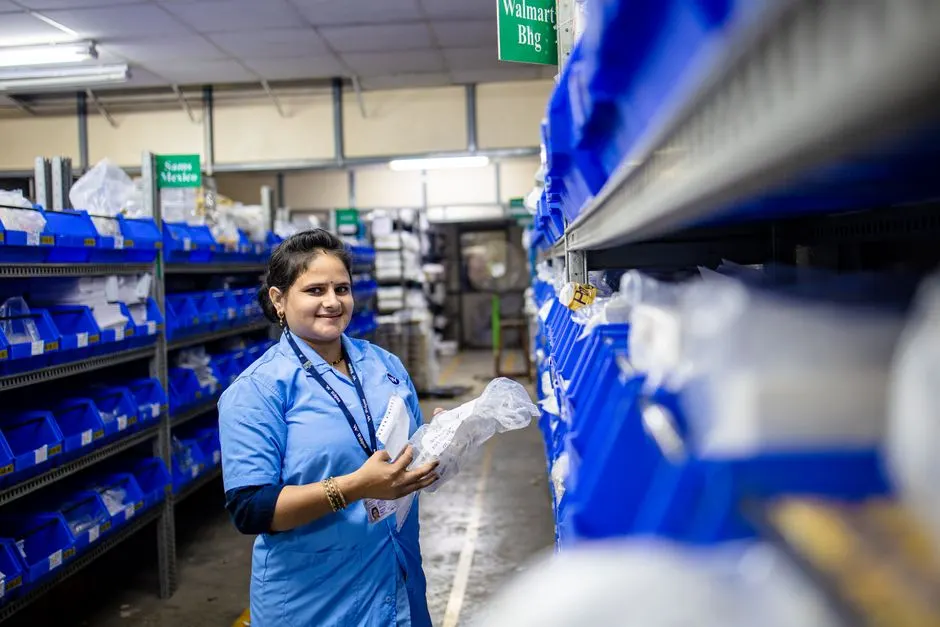
Smiling woman in a warehouse organizing inventory on shelves with blue bins.

What Warehouse Pest Control in Titusville actually covers

Warehouse Pest Control in Titusville is a scheduled inspection, exclusion, and treatment program that keeps rodents, cockroaches, termites, and occasional invaders out of storage and distribution buildings. A real program starts with a full perimeter and interior inspection: dock doors, racking legs, pallet stacks, break rooms, restrooms, and the 18-inch zone along every exterior wall. From there we build a written service schedule, install and check monitors, seal entry points, and treat active infestations with products labeled for commercial food and storage environments.

Titusville warehouses sit in a humid, subtropical climate where the average August high runs near 91°F and afternoon storms push moisture into every loading dock seal. That combination keeps rodent activity and German cockroach populations going year-round, and it makes pallet-borne termites a real risk for any facility receiving wood from out of state. If you have noticed droppings near a dock door or roaches in a break room, a commercial pest control program with documented service records is the fastest way to get ahead of it.
Why a scheduled warehouse program beats reactive spraying

Reactive spraying kills what is visible and leaves the rest. A scheduled program finds the entry point, the harborage, and the food source, then keeps them closed. Here is what that means for a working Titusville warehouse.

Protects inventory value

Rodents gnaw packaging and contaminate pallets; roaches and their frass can spoil an entire lot. A monitored program catches activity at the dock door before it reaches stored goods, which protects the inventory you have already paid to store and ship.

Keeps audit records clean

Food-grade and third-party-audited warehouses need service logs, monitor maps, and corrective-action records on file. We leave written documentation after every visit so your next audit or customer inspection has a paper trail instead of a scramble.

Reduces employee complaints

One roach in a break room generates three complaint emails. Scheduled service on a 30- or 60-day cycle keeps break rooms, restrooms, and locker areas treated and monitored, which cuts the surprise sightings that pull your team off the floor.

Stops recurring rodent entry

Trapping alone removes the current mice or rats and leaves the gap under the dock door wide open. We pair rodent control with exclusion work on door sweeps, thresholds, and wall penetrations so the next generation does not walk in through the same 1/4-inch gap.

What Warehouse Pest Control in Titusville actually covers

What to expect from our warehouse service

Every warehouse program follows the same five steps, whether the building is 8,000 or 80,000 square feet. You get a scheduled technician, a written report, and a clear list of what we found and what we did.

1

Site walkthrough

We walk the full perimeter and interior with your facility manager, checking dock doors, racking, pallet storage, break rooms, and utility penetrations. This first visit runs 60 to 90 minutes on a typical 20,000-square-foot building and ends with a written findings list.

2

Custom service plan

We build a plan around your operation: monthly, bi-monthly, or quarterly service, monitor density, and treatment zones. A food-grade facility usually needs monthly visits; a dry-goods storage building often runs every 60 days. You get the schedule and the scope in writing before we start.

3

Initial cleanout

The first treatment knocks down active infestations. We treat harborage areas, apply labeled products in cracks and void spaces, set monitors, and place rodent stations at exterior pressure points. Most cleanouts take two to four hours depending on square footage and activity level.

4

Exclusion and sealing

We seal dock door gaps, install door sweeps where needed, close wall penetrations, and repair damaged screens or vents. Exclusion is the step that keeps rodents from re-entering, and it is usually scheduled within the first two weeks of service.

5

Ongoing monitoring

Each scheduled visit includes monitor checks, station service, spot treatment, and a written report with findings and recommendations. You get the report the same day, and we flag any trend, such as rising rodent captures at one dock, before it becomes a full infestation.

18 years of commercial pest work in Brevard County

18 years of commercial pest work in Brevard County

Pro Pest Control Titusville has been treating Brevard County buildings since 2008, which means 18 years of working inside warehouses, distribution centers, and storage facilities along the Space Coast. Our technicians are state-licensed pest control operators trained on commercial account standards, including third-party audit documentation, monitor mapping, and product rotation. We have worked buildings with food-grade storage, temperature-controlled zones, and high-pallet-density racking, and we know how to treat around inventory without shutting down an aisle.

  • State-licensed pest control operators with commercial account training
  • 18 years serving Titusville and Brevard County warehouses since 2008
  • Experienced with third-party audit documentation and monitor maps
  • Product rotation practices that prevent bait aversion and resistance
  • Trained on rodent exclusion for dock doors, racking, and wall penetrations

Why Titusville warehouses call us for Warehouse Pest Control

We are a local commercial pest company, not a national call center. That means the technician who walks your building is the same one who answers the phone when something shows up between visits.

Same-week inspections

Most warehouse inspection requests get scheduled within five business days, and active infestations get priority. We work around your shift schedule so a technician is not walking the floor during a load-out.

Documented every visit

You get a written service report after every visit with findings, treatments, and recommendations. That record is what carries you through a third-party audit or a customer quality inspection without a last-minute scramble.

Exclusion built in

Our commercial pest control programs include rodent exclusion work, not just trapping. Sealing dock door gaps and wall penetrations is what stops the cycle, and it is part of the plan from the first visit.

Local to the Space Coast

We serve Titusville, Mims, Port Saint John, Merritt Island, and the surrounding Brevard County communities. A local technician knows the humidity, the afternoon storms, and the pallet traffic patterns that drive pest pressure here.

What You Get

What is included in a warehouse program

A standard Warehouse Pest Control in Titusville program covers inspection, treatment, monitoring, and documentation. Exclusion work and termite-specific treatments are quoted based on what we find during the inspection.

Full interior and exterior inspection

We inspect dock doors, racking, pallet storage, break rooms, restrooms, utility rooms, and the full exterior perimeter. The inspection identifies activity, entry points, and conditions that support pests.

Rodent stations and monitors

We place exterior rodent stations at pressure points and interior monitors in travel zones. Stations are numbered, mapped, and checked on every scheduled visit.

Targeted treatment

Treatments are applied to cracks, voids, harborage areas, and active infestation sites using products labeled for commercial storage environments. We avoid broad spraying that disrupts inventory.

Exclusion recommendations

We document gaps at dock doors, wall penetrations, and vents, and quote the sealing work. Exclusion is what keeps rodents from returning after the cleanout.

Written service reports

Every visit ends with a report listing findings, treatments, and recommendations. Reports are audit-ready and can be shared with your quality or compliance team.

Solutions

Warehouse pest problems we solve in Titusville

Most warehouse pest calls come down to a handful of recurring problems. Here are the ones we see most often in Titusville and how we handle them.

Problem

Rodent droppings near dock doors and pallet storage

Droppings contaminate packaging and trigger audit failures. Gnawed wiring creates fire risk and equipment downtime.

Solution

We locate the entry gaps, seal them, set exterior stations at pressure points, and trap interior activity. Most dock-door rodent issues clear within two to three service cycles once exclusion is complete.

Problem

Cockroaches in break rooms and restrooms

German cockroaches spread quickly through plumbing chases and cabinet voids. Employee complaints escalate and morale drops.

Solution

We treat void spaces, cracks, and plumbing penetrations with gel and dust products labeled for commercial use. Monthly monitoring keeps the population from re-establishing.

Problem

Termites in wood pallets and stored materials

Pallets can carry drywood termites or bring subterranean termites into contact with the building. Damage spreads to racking and structural wood.

Solution

We inspect incoming pallets, treat affected wood, and install bait stations around the exterior. For buildings with slab penetrations, we recommend a subterranean treatment barrier.

Problem

Ants and occasional invaders after heavy rain

Ant trails in aisles and offices disrupt work and signal moisture problems at the building envelope.

Solution

We treat exterior perimeter zones and entry points, and we identify the moisture source driving the activity. Barrier treatments before the rainy season reduce repeat invasions.

Use Cases

When Titusville warehouses call us

01

A new tenant takes over a 30,000-square-foot warehouse and needs a pest program before the first audit.

Solution

We run a full inspection, build a monitor map, set stations, and deliver a written program with service frequency and pricing. The documentation is ready for the audit file.

Outcome

The tenant starts operations with a documented program in place instead of scrambling after a failed inspection.

02

A food-grade storage building fails a third-party audit because of missing service records.

Solution

We put the building on monthly service, set up monitor maps, and leave a written report after every visit that matches audit documentation requirements.

Outcome

The next audit has a complete paper trail, and the facility passes the pest control section.

03

A distribution center sees mice in the racking after a rainy week.

Solution

We inspect dock doors and wall penetrations, seal gaps, set exterior stations, and trap interior activity. Exclusion work is scheduled within two weeks.

Outcome

Interior captures drop to near zero within two service cycles, and the entry points stay sealed.

04

A warehouse storing wood pallets finds termite damage in a pallet stack.

Solution

We inspect the pallets and building, treat affected wood, and install bait stations around the exterior. We also recommend a termite inspection schedule for incoming pallets.

Outcome

The active colony is treated, and the building gets a monitoring layer that catches future activity early.

Our Approach

Tools and methods we use in warehouse service

Tools & Equipment

Tamper-resistant rodent stations

Locked exterior stations hold bait or snap traps and keep non-target animals out. They are numbered and mapped for audit records.

Glue board monitors

Interior monitors placed along walls and racking legs catch and track activity trends. Monitor checks on every visit show whether a population is rising or falling.

Gel and dust insecticides

Applied in cracks, voids, and plumbing penetrations for cockroach control. These formulations target harborage areas without broad spraying near inventory.

Door sweeps and threshold seals

Installed at dock doors and man doors to close the gaps rodents use. A 1/4-inch gap is enough for a mouse to enter.

Termite bait stations

Placed around the exterior perimeter to intercept subterranean termites before they reach the building. Stations are checked on a scheduled cycle.

Moisture meters

Used to find moisture pockets in walls and pallet storage that attract termites and cockroaches. Moisture problems are often the root cause behind repeat activity.

Methods

Integrated Pest Management (IPM)

IPM combines inspection, sanitation, exclusion, and targeted treatment instead of routine broadcast spraying. For warehouses, that means fixing the conditions that support pests before reaching for chemicals.

Monitor mapping

Every station and monitor gets a number and a location on a building map. The map is updated each visit and serves as the documentation backbone for third-party audits.

Product rotation

We rotate active ingredients and formulations to prevent bait aversion and resistance. Rotation is especially important in warehouses with year-round rodent pressure.

Exclusion-first rodent control

We seal entry points before or alongside trapping. Exclusion-first is what stops the reinfestation cycle that keeps a warehouse on a permanent trap-and-release treadmill.

Local Service

How Warehouse Pest Control runs in Titusville

Titusville sits in a humid subtropical climate with average summer highs near 91°F and frequent afternoon thunderstorms from June through September. That moisture drives rodent activity toward dock doors and wall voids, and it keeps German cockroach populations breeding year-round in break rooms and restrooms. Many Titusville warehouses are older concrete-block buildings near the US-1 corridor, which means wall penetrations, aging door sweeps, and slab joints are common entry points. Pallet traffic from out of state brings drywood termites and occasional invaders into buildings that never had a termite problem before. Our commercial pest control program accounts for all of it: exterior stations at dock pressure points, interior monitors along racking, and exclusion work on the gaps that let rodents back in. If your building sits near the Indian River lagoon, the humidity load is higher and we adjust monitor density and treatment frequency accordingly.

Service Areas

South Titusville

Older concrete-block warehouse stock near the US-1 corridor with aging dock doors and wall penetrations that need exclusion work.

Mims

Larger lots and outdoor storage areas increase wildlife and rodent pressure around building perimeters.

Port Saint John

Distribution and flex warehouse buildings with high pallet turnover and dock door traffic.

Merritt Island

Humidity and lagoon proximity raise moisture loads, which drives termite and cockroach activity.

Local Considerations

Summer afternoon thunderstorms and high humidity

Moisture pushes rodents and cockroaches toward interior voids and keeps termite pressure high. We increase monitor checks and moisture inspections during the rainy season.

Older concrete-block building stock

Wall penetrations and slab joints are common entry points. Exclusion work is a larger share of the program in these buildings.

Year-round pallet traffic

Incoming pallets can carry drywood termites and cockroach egg cases. We inspect pallet storage areas on every visit and recommend termite monitoring for high-volume buildings.

Transformation

Dock door rodent problem cleared

Before

A 22,000-square-foot Titusville warehouse had mice in pallet storage near two dock doors. Droppings showed up weekly, and the previous company only set traps inside without sealing anything.

After

We sealed three door sweep gaps and two wall penetrations, set six exterior stations, and trapped interior activity. Interior captures dropped from 14 in the first month to zero by month three.

Maintenance & Follow-up

Monthly service with station checks and a quarterly exclusion review keeps the doors sealed and the population from re-establishing.

Before

A Mims distribution center had German cockroaches in the break room and restroom. Spraying had not worked because the population was living in cabinet voids and plumbing chases.

After

We treated the voids and penetrations with gel and dust, then set monitors. Sightings dropped to zero within four weeks, and the monthly service has kept the break room clear for over a year.

Maintenance & Follow-up

Monthly monitoring and a sanitation checklist for the break room prevent the population from returning.

Before

A Port Saint John warehouse found termite damage in a stack of wood pallets. The building had no termite history, and the pallets had come in from out of state.

After

We treated the affected pallets, installed eight bait stations around the exterior, and inspected the building structure. No further termite activity has been found in the building.

Maintenance & Follow-up

Quarterly bait station checks and an incoming pallet inspection routine keep new introductions from taking hold.

Frequently Asked Questions

Have questions? We have answers.

Call Us
How much does Warehouse Pest Control in Titusville cost?

Most warehouse programs in Titusville run $250 to $900 per service visit in 2026, depending on square footage, monitor count, and service frequency. A small storage building on a quarterly plan sits near the low end; a food-grade facility on monthly service with heavy monitor density sits near the high end. Initial cleanouts can add $300 to $1,200 if activity is heavy.

How often should a Titusville warehouse be treated?

Most Titusville warehouses run on a 30- to 60-day service cycle, with monthly visits for food-grade or high-traffic facilities and quarterly visits for low-activity dry storage. The right frequency depends on dock door count, pallet volume, and whether the building shares walls with other tenants. We set the schedule after the first inspection.

Can you treat a warehouse without shutting down operations?

Yes. We schedule treatment around your shifts and treat racking, dock areas, and break rooms in sections so aisles stay open. Most routine service visits take two to four hours and do not require a shutdown. If a product needs a re-entry interval, we tell you the exact window before we apply it.

What pests are most common in Titusville warehouses?

The most common calls are house mice and roof rats around dock doors, German cockroaches in break rooms and restrooms, and subterranean termites in wood pallets and stored materials. Occasional invaders like ants and spiders show up after heavy rain. We inspect for all of them on the first visit and build the plan around what is actually there.

Trust & Credentials

Licensed, documented, and local

Certifications

State-Licensed Pest Control Operator by Florida Department of Agriculture and Consumer Services
Commercial Pest Management Training by Pest control industry continuing education providers
Integrated Pest Management (IPM) Practices by Industry standard for commercial accounts

Reviews

Google

Pro Pest Control handles our warehouse in Titusville. They show up on schedule, leave a written report every time, and actually sealed the dock door gaps instead of just setting traps. Our rodent problem is gone.

Google

We use them for our Mims distribution building. The technician knows the building and always checks the break room and restrooms. Documentation is audit-ready, which is why we stay with them.

BBB

Called about termites in pallets at our Port Saint John warehouse. They inspected the whole building, treated the pallets, and set bait stations. Fair pricing and no pressure to buy extra services.

Related Services

Termite Inspection

A termite inspection is the first step for any Titusville warehouse storing wood pallets or paper goods. We check pallet stacks, racking, and wall voids for subterranean and drywood activity before it spreads into inventory.

Termite Inspection

Subterranean Termite Treatment

Subterranean termites move through soil and enter warehouses at slab penetrations and expansion joints. Our treatment creates a continuous barrier around the building footprint, which is critical for Titusville buildings on sandy coastal soil.

Subterranean Termite Treatment

Drywood Termite Treatment

Drywood termites ride in on pallets and infested lumber. We treat affected wood and void spaces so a pallet-borne colony does not establish itself in your racking or roof structure.

Drywood Termite Treatment

Termite Baiting Systems

Baiting systems around the exterior give you continuous termite monitoring without a full chemical barrier. For warehouses with ongoing pallet traffic, bait stations add a second layer of defense at the perimeter.

Termite Baiting Systems

Rodent Control

Rodent control for Titusville warehouses covers interior trapping, exterior station placement, and population knock-down. We target dock doors, racking legs, and utility rooms where mice and rats travel.

Rodent Control

Rodent Exclusion

Exclusion seals the gaps rodents use: dock door sweeps, wall penetrations, vent openings, and threshold gaps. Pairing exclusion with rodent control is what stops the reinfestation cycle in a working warehouse.

Rodent Exclusion

Mosquito Control

Standing water around loading docks and drainage swales breeds mosquitoes that annoy employees and trigger complaints. We treat resting sites and breeding areas around the building perimeter.

Mosquito Control

Flea and Tick Treatment

Warehouses with outdoor storage or employee pet traffic can pick up fleas and ticks near entry doors. We treat entry zones and perimeter vegetation to keep them out of the building.

Flea and Tick Treatment

Bed Bug Treatment

Bed bugs occasionally show up in warehouse break rooms, locker areas, and delivery vehicles. We inspect and treat those spaces so a single introduction does not spread through shifts.

Bed Bug Treatment

Commercial Pest Control

Our commercial pest control program is the umbrella service for warehouses, offices, and retail spaces. It includes scheduled service, documentation, and monitor maps built for audit requirements.

Commercial Pest Control

Restaurant Pest Control

Warehouses that store or distribute food need restaurant-grade pest standards. We apply the same documentation and treatment protocols used in commercial kitchens to food storage areas.

Restaurant Pest Control

Wildlife Removal

Raccoons, opossums, and other wildlife sometimes den under loading docks or in outdoor storage. We remove the animal and seal the entry point so it does not return.

Wildlife Removal

Raccoon Removal

Raccoons are a common warehouse problem when dumpsters and pallet storage sit close to the building. We remove them humanely and close the access points they used.

Raccoon Removal

Squirrel Removal

Squirrels chew into soffits and roof vents, opening gaps that let rodents and insects inside. We remove them and repair the entry points to protect the building envelope.

Squirrel Removal

Armadillo Control

Armadillos dig under fences and around foundation edges, which can undermine exterior rodent stations and barriers. We remove them and restore the perimeter.

Armadillo Control

Pest Inspection

A standalone pest inspection gives you a written snapshot of activity and entry points before you commit to a program. It is a good starting point for a new lease or a building purchase.

Pest Inspection

Pest Prevention Plans

Prevention plans focus on sealing, sanitation recommendations, and scheduled monitoring rather than reactive treatment. They work well for warehouses with low current activity but high risk.

Pest Prevention Plans

Pest Barrier Treatments

Barrier treatments create a treated zone around the exterior foundation and dock areas. They reduce the number of pests that make it to the building envelope.

Pest Barrier Treatments

Home Pest Exclusion

The same exclusion techniques we use in warehouses apply to homes. If your warehouse team also manages residential properties, we handle those buildings too.

Home Pest Exclusion

Recurring Pest Maintenance

Recurring maintenance keeps a warehouse on a fixed service schedule with documented visits. It is the backbone of any audit-ready pest program.

Recurring Pest Maintenance

Apartment Pest Control

Warehouse operators who also manage apartment buildings can bundle services. We handle multifamily pest work across Titusville and Brevard County.

Apartment Pest Control

Property Management Pest Control

Property managers with mixed portfolios use our property management pest control to cover warehouses, offices, and residential units under one schedule and one invoice.

Property Management Pest Control

Healthcare Facility Pest Control

Healthcare facilities and medical storage buildings need stricter documentation and product restrictions. We apply those standards to any warehouse storing medical or sensitive goods.

Healthcare Facility Pest Control

School Pest Control

Schools and school district storage buildings need pest service that works around the academic calendar. We schedule visits during breaks and after hours to keep students and staff clear.

School Pest Control
Testimonials

What Titusville warehouse managers say

Real experiences from customers who chose our Warehouse Pest Control services

We had mice getting into pallets near the dock doors for months. Pro Pest Control came out, found three gaps under the door sweeps, sealed them, and set exterior stations. Six months later we are still catching almost nothing inside. The written report after every visit is what sold my operations director.

Marcus T.

Facility Manager, South Titusville

M

Our break room had a German cockroach problem that two other companies could not clear. The technician treated the void spaces behind the cabinets and the restroom plumbing chases, not just the visible surfaces. We have been on monthly service since and have not seen a roach in the break room in over a year.

Dana R.

Operations Lead, Mims

D

I called about termites in a stack of wood pallets. They inspected the whole building, treated the affected pallets, and set bait stations around the exterior. What I appreciated was the honesty about what needed doing now versus what could wait. No pressure, just a clear plan and fair pricing.

Luis G.

Warehouse Owner, Port Saint John

L

We had mice getting into pallets near the dock doors for months. Pro Pest Control came out, found three gaps under the door sweeps, sealed them, and set exterior stations. Six months later we are still catching almost nothing inside. The written report after every visit is what sold my operations director.

Marcus T.

Facility Manager, South Titusville

M

Our break room had a German cockroach problem that two other companies could not clear. The technician treated the void spaces behind the cabinets and the restroom plumbing chases, not just the visible surfaces. We have been on monthly service since and have not seen a roach in the break room in over a year.

Dana R.

Operations Lead, Mims

D

Get Warehouse Pest Control in Titusville on the schedule

We are a state-licensed commercial pest operator serving Brevard County since 2008. Call Pro Pest Control Titusville and we will schedule a warehouse inspection, walk your building, and give you a written plan with pricing before any work starts.