Restaurant Pest Control in Titusville That Protects Your Kitchen and Your Score

Discreet, code-compliant treatments built around your service hours

Restaurant Pest Control in Titusville is a licensed, inspection-focused service for kitchens, dining rooms, bars, and storage areas. We treat the grease traps, dish pits, and back-of-house corners where roaches and rodents actually live, then document everything your health inspector wants to see. If you run a restaurant in Brevard County, one pest sighting can cost you a re-inspection, a bad review, or a closed door. We work before that happens.

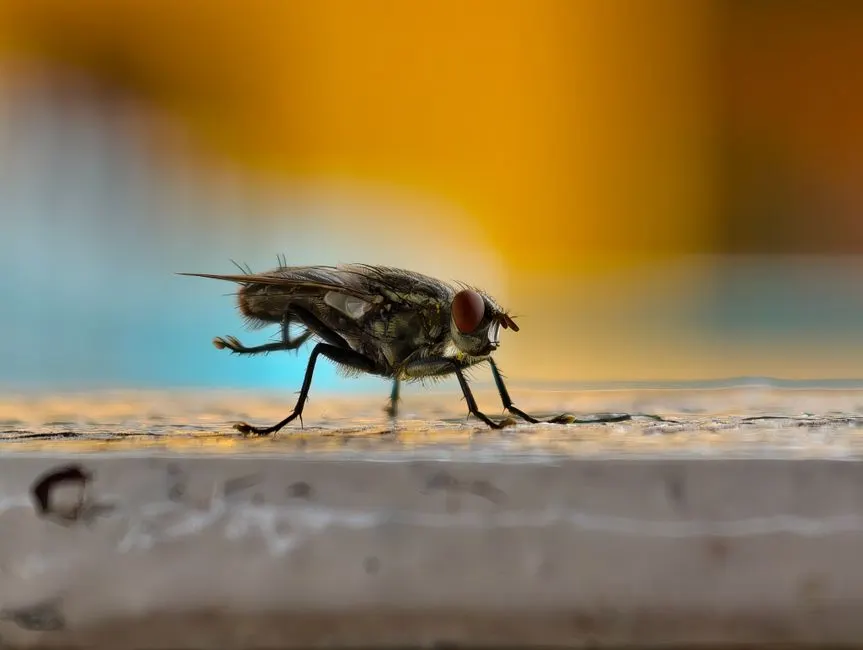
Detailed macro shot of a housefly on hard surface with vibrant bokeh background.

What Restaurant Pest Control in Titusville Actually Involves

Restaurant pest control is a scheduled, documentation-heavy service that targets the specific pests commercial kitchens attract: German cockroaches in dish machines and prep drawers, drain flies in floor sinks, rodents along walk-in cooler walls, and ants trailing toward syrup boxes. It is not the same as spraying a house. We use gel baits, insect growth regulators, crack-and-crevice treatments, and mechanical traps placed so they never touch food contact surfaces. Every visit ends with a written service report that lists what we found, what we treated, and what your staff should watch for before the next visit.

Titusville kitchens face pressure most inland restaurants do not. The Indian River Lagoon keeps humidity above 70 percent for months, which pushes roaches indoors and keeps drain fly breeding cycles running year-round. Older downtown buildings near the Titusville Historic District have original plumbing chases and shared walls that let pests move between units. When a restaurant calls us after a failed inspection, the first question is usually how fast we can get a technician on site, and the second is whether we can work after closing so service is not interrupted.
Why Restaurants Choose Scheduled Commercial Pest Control

A pest problem in a restaurant is a business problem. These are the outcomes our Titusville clients care about most, and the ones we build every service plan around.

Inspection-Ready Documentation

Every visit produces a dated service report with pest activity findings, treatment locations, and product labels. When your inspector asks for pest control records, you hand over a folder instead of an excuse. We have helped Brevard County restaurants clear re-inspections within 14 days of a failed visit.

Discreet After-Hours Service

We schedule most recurring restaurant treatments between 10 p.m. and 6 a.m. so your dining room stays open and your guests never see a technician. For high-volume kitchens, we split service into a monthly overnight deep treatment and a quick mid-month monitor check that takes under 30 minutes.

Grease and Drain Fly Control

Floor drains, grease traps, and mop sinks are the number one drain fly breeding site in Titusville restaurants. We treat them with biological drain cleaners and foam applications that break the breeding cycle instead of just knocking down the adults you see on the wall.

Rodent Exclusion at Entry Points

A mouse needs a gap the width of a pencil to get inside. We seal door sweeps, pipe penetrations, and dock door corners with copper mesh and sealant, then set tamper-resistant exterior stations on a 30-day check cycle. Most Titusville restaurant rodent issues are solved at the door, not inside the kitchen.

What Restaurant Pest Control in Titusville Actually Involves

How Our Restaurant Pest Control Process Works

Every restaurant account starts with a full inspection and ends with a written plan your manager can follow between visits. Here is what the first 30 days look like.

1

Initial Inspection

A licensed technician walks your entire facility, including the kitchen, dish pit, walk-ins, dry storage, bar, dining room, and exterior dumpster pad. The inspection takes 60 to 90 minutes and produces a written report with photos of every activity point and entry gap we find.

2

Custom Treatment Plan

We build a plan around your menu, your hours, and your building. A downtown Titusville bistro with shared walls gets a different plan than a freestanding restaurant on Garden Street with a loading dock. You get the plan in writing with product names, application methods, and service frequency before we treat anything.

3

First Treatment

The first service is the heaviest. We treat cracks, crevices, drain lines, and exterior entry points, then place monitors in the kitchen and storage areas. Most first treatments take two to three hours and are scheduled after closing so nothing dries on a prep surface during service.

4

Staff Handoff

Before we leave, we walk your manager through what we treated, what to watch for, and what cleaning changes will make the biggest difference. We leave a one-page sheet for the kitchen crew covering drain cleaning frequency, storage practices, and who to call if someone spots activity between visits.

5

Recurring Service

Most Titusville restaurants run on a monthly recurring schedule with exterior rodent stations checked every 30 days. High-volume kitchens or buildings with a history of roach activity move to biweekly service. Every visit generates a new report, and your account manager reviews activity trends with you each quarter.

Restaurant Pest Control Experience in Brevard County

Restaurant Pest Control Experience in Brevard County

Pro Pest Control Titusville has been treating commercial kitchens since 2008, which means 18 years of walking into restaurants before the health inspector does. Our technicians are state-licensed in Florida and trained on the pest biology that matters in commercial food service: German cockroach harborage behavior, rodent travel paths, drain fly breeding cycles, and stored product pest identification. We follow FDA Food Code and Florida Department of Business and Professional Regulation sanitation standards on every job, and we keep current product labels on file for every account. Restaurant work is not a side service for us. It is a core part of what we do across Brevard County.

  • 18 years serving Titusville and Brevard County restaurants, from single-unit cafes to multi-location accounts
  • State-licensed pest control operators trained in commercial food-safety pest management
  • Service reports formatted to satisfy Florida DBPR and county health inspection record requirements
  • Product rotation program that prevents bait aversion in German cockroach populations
  • After-hours and pre-opening scheduling available seven days a week

Why Titusville Restaurants Call Us for Restaurant Pest Control

Restaurant pest control is a trust service. You are letting someone into your kitchen at midnight and trusting them to protect your business. Here is what makes us the call most Brevard County restaurant owners make.

18 Years in Brevard County

We have been treating Titusville-area restaurants since 2008. That means we know which buildings have chronic plumbing chase issues, which dumpster pads attract the most rodent pressure, and which neighborhoods see seasonal American roach surges when the weather turns.

Same-Week Emergency Response

If you fail an inspection or spot activity before a busy weekend, we schedule an emergency service visit within 48 hours, and often same-day for existing accounts. We have helped restaurants in the 32796 and 32780 ZIP codes clear re-inspections inside two weeks.

Reports Your Inspector Accepts

Our service reports include date, time, technician name, pest activity found, treatment applied, and product label references. Florida health inspectors want to see a paper trail, and we build one on every visit. No generic carbon-copy forms.

Treatment That Respects Food Safety

We never spray broad-spectrum insecticide in prep areas. Our kitchen treatments rely on gel bait, crack-and-crevice application, and mechanical monitoring, all placed so they never contact food, utensils, or prep surfaces. Every product we use is labeled for commercial food-handling establishments.

What You Get

What Our Restaurant Pest Control Service Includes

Every restaurant account includes a full interior and exterior inspection, targeted treatment of activity areas, exterior rodent stations, and a written service report after each visit. Recurring plans add trend reporting and quarterly reviews. Below is what is covered in a standard plan, and what we quote separately if your building needs it.

Full Interior Inspection

We inspect the kitchen, dish pit, walk-in coolers, dry storage, bar, dining room, restrooms, and manager office. The inspection covers 60 to 90 minutes and documents every activity point with photos.

Targeted Kitchen Treatments

Gel bait, crack-and-crevice applications, and insect growth regulators placed in harborage areas. Products are labeled for commercial food-handling establishments and applied so they never contact food or prep surfaces.

Drain and Grease Trap Service

Floor drains, mop sinks, and grease trap areas get biological drain treatment and foam application to break drain fly breeding cycles. This is the most common restaurant pest issue we solve in Titusville.

Exterior Rodent Stations

Tamper-resistant stations placed around the building perimeter, dumpster pad, and loading dock, checked every 30 days. Stations are locked, labeled, and mapped so your inspector can verify them.

Written Service Reports

Every visit produces a dated report with technician name, pest activity found, treatment applied, and product label references. Reports are emailed to your manager before the next business day.

Staff Guidance Sheet

A one-page sheet for your kitchen crew covering drain cleaning frequency, storage practices, and who to call if activity appears between visits. It turns your staff into an early-warning system.

Solutions

Restaurant Pest Problems We Solve in Titusville

Most restaurant pest calls fall into a handful of patterns. These are the ones we see most often in Titusville kitchens, and what happens when they are left alone.

Problem

German cockroaches in dish machines and prep drawers

A single female German roach can produce hundreds of offspring in a year, and inspectors treat any live sighting in a kitchen as a critical violation. Left alone, an infestation spreads into dining room seating within weeks.

Solution

We treat dish machine motors, prep drawer tracks, and crack-and-crevice harborage with gel bait and insect growth regulators, then monitor on a 30-day cycle. Most kitchen roach issues are under control within two service visits.

Problem

Drain flies swarming floor sinks and mop areas

Drain flies breed in the organic film inside drains, so spraying adults does nothing. The population rebounds within days, and customers notice flies in the dining room.

Solution

We apply biological drain cleaner and foam treatment to floor sinks, mop sinks, and grease trap areas, then give your staff a cleaning schedule that keeps the film from returning. Two treatments usually break the cycle.

Problem

Rodent droppings in dry storage and along walk-in walls

Rodent droppings contaminate stored food and packaging, and inspectors treat evidence of rodents as a serious violation. Rodents also chew wiring, which is a fire risk in older buildings.

Solution

We trap interior activity, set exterior tamper-resistant stations, and seal entry gaps at dock doors, pipe penetrations, and door sweeps. Most Titusville restaurant rodent issues are solved at the entry point, not inside the kitchen.

Problem

Ants trailing toward syrup boxes and bar areas

Ants find spilled syrup and moisture behind bar equipment, and a visible trail in the dining room damages customer confidence. Spraying the trail alone causes the colony to bud into new nests.

Solution

We use non-repellent bait placed along trailing routes and entry points, which the colony carries back to the nest. Bar areas get targeted treatment behind equipment and under sinks, with follow-up monitoring on the next visit.

Use Cases

When Titusville Restaurants Call Us

01

A downtown Titusville restaurant fails a health inspection after an inspector spots roach activity in the dish pit.

Solution

We schedule an emergency inspection within 48 hours, treat the dish machine housing and surrounding harborage with gel bait and IGR, and provide a written report the owner can send to the inspector. We also walk the manager through cleaning changes before re-inspection.

Outcome

Most clients clear re-inspection within 14 days with no pest findings and a documented service record on file.

02

A Merritt Island restaurant with a loading dock sees rodent droppings in dry storage every fall.

Solution

We inspect the dock door corners and pipe penetrations, seal entry gaps with copper mesh and sealant, and install exterior tamper-resistant stations checked every 30 days. Interior trapping handles the rodents already inside.

Outcome

Rodent activity drops to zero within 30 days, and the exterior station checks catch new pressure before it reaches the kitchen.

03

A South Titusville cafe has drain flies swarming the mop sink and floor drains every summer.

Solution

We treat drains with biological cleaner and foam application, then give the staff a weekly drain cleaning schedule. Follow-up treatment on the next monthly visit confirms the breeding cycle is broken.

Outcome

Drain fly activity is eliminated within two visits, and the cleaning schedule keeps it from returning through the humid months.

04

A new restaurant owner in the 32780 ZIP code takes over an existing building and wants a pest baseline before opening.

Solution

We run a full pest inspection covering kitchen, storage, bar, dining room, and exterior, then build a prevention plan with monitoring stations and a monthly service schedule. The report documents the building's condition at handover.

Outcome

The owner opens with a documented pest baseline, a service plan in place, and no surprises at the first inspection.

Our Approach

Tools and Methods We Use in Restaurant Kitchens

Tools & Equipment

Gel Bait Stations and Syringes

Placed in crack-and-crevice harborage for German cockroach control. Gel bait delivers a slow-acting toxicant the roach carries back to the harborage, which controls the population instead of just the roaches you see.

Insect Growth Regulators (IGRs)

IGRs break the roach reproductive cycle by preventing nymphs from reaching maturity. Used alongside gel bait, they reduce rebound populations between monthly service visits.

Tamper-Resistant Rodent Stations

Locked, labeled exterior stations placed around the building perimeter, dumpster pad, and loading dock. Stations are mapped and checked every 30 days, and the map is available to your inspector.

Biological Drain Cleaner

Enzyme-based cleaner that breaks down the organic film drain flies breed in. Applied to floor sinks, mop sinks, and grease trap areas, it treats the source instead of the adult flies.

Copper Mesh and Sealant

Used for rodent exclusion at pipe penetrations, dock door corners, and door sweeps. Copper mesh cannot be chewed through, and sealant holds it in place around irregular gaps.

Monitoring Boards and Glue Stations

Placed in dry storage, walk-ins, and along walls to detect activity between scheduled visits. Monitoring data tells us whether pest pressure is rising before a customer or inspector sees it.

Foam Application Equipment

Foam expands into cracks and voids that liquid spray misses, which makes it effective for drain lines, wall voids, and equipment housings where roaches harbor.

Methods

Integrated Pest Management (IPM)

IPM combines inspection, sanitation correction, exclusion, and targeted treatment instead of blanket spraying. For restaurants, IPM is the standard because it reduces product use in food areas while producing documentation inspectors expect to see.

Crack-and-Crevice Application

Product is placed directly into cracks, voids, and equipment housings rather than broadcast on surfaces. This keeps treatment away from food contact areas and puts the product where roaches actually harbor.

Bait Rotation

German cockroach populations can develop bait aversion when the same product is used repeatedly. We rotate bait matrices and active ingredients across visits to keep the population from adapting.

Exclusion-First Rodent Control

We seal entry points before or alongside trapping, because trapping alone lets new rodents replace the ones removed. Exclusion at dock doors, pipe penetrations, and door sweeps is what makes rodent control stick.

FDA Food Code Alignment

Our treatment placements follow FDA Food Code and Florida DBPR sanitation standards for food establishments. Products are labeled for commercial food-handling areas, and application records are kept on file for every account.

Local Service

How Restaurant Pest Control Runs in Titusville

Titusville restaurants sit in a humid subtropical climate, and that shapes every service plan we write. The Indian River Lagoon keeps relative humidity above 70 percent for much of the year, which extends roach breeding seasons and keeps drain fly cycles running through winter. Buildings near the historic downtown have original plumbing chases and shared walls, so pests move between units and a treatment that stops at your property line will not hold. Along the US-1 and Garden Street commercial corridors, restaurants with exterior dumpsters and loading docks see heavier rodent pressure, especially when nearby lots have brush or unsecured waste. Summer afternoon storms push ants and roaches indoors, and the first cool front in November often drives rodents toward building interiors. We adjust service frequency and treatment placement around those seasonal patterns, and we schedule restaurant pest control in Titusville around your service hours so a treatment never lands in the middle of dinner rush. If your building has had a pest history, we pull the prior service records and inspect the same hotspots first.

Service Areas

Downtown Titusville

Older buildings near the historic district have original plumbing chases and shared walls, which means roaches can move between adjacent units. Treatments here focus on wall voids and shared penetrations.

South Titusville

Restaurants along the southern commercial corridor often back onto green space, which raises rodent and ant pressure. Exterior station placement and barrier treatments matter more here.

Indian River City

Proximity to the river keeps humidity high and drain fly pressure constant. Kitchen drain service is a priority for restaurants in this area.

Merritt Island

Restaurants with loading docks and exterior storage see fall rodent pressure as temperatures drop. Dock door exclusion and exterior station checks are built into every plan.

Local Considerations

Year-round humidity above 70 percent

Roach and drain fly breeding cycles run longer, so monthly service is the minimum for most Titusville kitchens. Quarterly service lets populations rebound between visits.

Summer afternoon thunderstorms

Storms drive ants and roaches indoors and create moisture at door thresholds. We increase exterior barrier treatment frequency from May through September.

November cool fronts

Falling temperatures push rodents toward building interiors. We schedule exterior station checks and exclusion work in late fall to intercept them before they get inside.

Older downtown plumbing chases

Shared wall voids let roaches move between units, so treatment has to address the chase itself, not just the kitchen where activity was reported.

Transformation

Failed Inspection to Clean Re-Inspection

Before

A downtown Titusville restaurant failed a health inspection after an inspector found live German roaches in the dish machine motor housing and behind a prep drawer. The owner had been spraying store-bought product for weeks, which scattered the population deeper into wall voids.

After

We treated the dish machine housing, prep drawer tracks, and adjacent wall voids with gel bait and IGR, then monitored on a 14-day cycle. Re-inspection 12 days later found zero live roaches, and the written service report was accepted as corrective documentation.

Maintenance & Follow-up

The account moved to monthly service with quarterly trend reviews. Staff received a cleaning sheet covering dish machine wipe-down and prep drawer inspection between visits.

Before

A Merritt Island restaurant found rodent droppings along the walk-in cooler wall and in dry storage every fall for three years. Trapping removed the animals, but new rodents kept getting in through a gap at the dock door corner and an unsealed pipe penetration.

After

We sealed the dock door corner with copper mesh and sealant, sealed the pipe penetration, and installed six exterior tamper-resistant stations around the perimeter. Interior trapping cleared the existing rodents, and station checks showed zero activity within 30 days.

Maintenance & Follow-up

Exterior stations are checked every 30 days, and the dock door sweep is inspected each visit. No droppings have been reported in eight months.

Before

A South Titusville cafe had drain flies swarming the mop sink and floor drains every summer. The staff sprayed flying adults daily, but the population rebounded within days because the breeding film inside the drains was never treated.

After

We applied biological drain cleaner and foam treatment to the mop sink, floor drains, and grease trap area, then gave the staff a weekly drain cleaning schedule. Follow-up treatment two weeks later found no breeding activity.

Maintenance & Follow-up

Drain treatment is now part of the monthly service visit, and the cleaning schedule keeps the organic film from rebuilding during the humid months.

Frequently Asked Questions About Restaurant Pest Control

Have questions? We have answers.

Call Us
How much does restaurant pest control cost in Titusville?

Most Titusville restaurant accounts run $95 to $225 per monthly service, depending on square footage, number of kitchen lines, and exterior station count. A small cafe under 1,500 square feet typically lands near the low end, while a full-service restaurant with a bar and loading dock runs higher. Initial cleanouts after a failed inspection range from $350 to $900. We quote in writing before the first treatment.

How often should a restaurant be treated for pests in Florida?

Most Florida restaurants need monthly service, and high-volume kitchens or buildings with shared walls need biweekly visits. Florida's humidity keeps roach and drain fly pressure running year-round, so quarterly service is not enough for a commercial kitchen. We set frequency based on your inspection findings and adjust after 90 days of monitoring data.

Can you treat our restaurant after closing?

Yes. We schedule most restaurant treatments between 10 p.m. and 6 a.m., and we can also come in before your opening shift. After-hours service is standard for our commercial accounts, not a special request. Your manager gets the service report by email before the next business day.

What should I do if a health inspector finds pest activity?

Call us the same day. We schedule an emergency inspection within 48 hours, identify the activity source, treat it, and give you a written report you can send to the inspector. We also walk your manager through the cleaning and storage changes that prevent a repeat finding at re-inspection.

Trust & Credentials

Licensed, Insured, and Accountable

Certifications

Florida Pest Control Operator License by Florida Department of Agriculture and Consumer Services
Commercial Food-Safety Pest Management Training by State-approved continuing education providers
General Liability and Commercial Auto Insurance by Licensed Florida insurance carriers
Product Label and SDS Recordkeeping by Maintained on file for every commercial account

Reviews

Google

We manage three restaurants in Brevard County and Pro Pest Control Titusville handles all of them. Reports come in before the next shift, technicians work after closing, and we have not failed a pest section on an inspection since we switched.

Yelp

Called after a failed inspection and they had a technician at our door within 48 hours. He found the source in the dish machine housing, treated it, and gave us a report the inspector accepted. Re-inspection passed two weeks later.

BBB

We had a rodent problem in dry storage that kept coming back. They sealed the dock door and set exterior stations, and we have not seen a dropping since. The monthly reports are detailed and easy to file.

Related Services for Titusville Restaurant Owners

Termite Inspection

A termite inspection protects the building itself, not just the kitchen. Titusville restaurants in older wood-frame structures near the river should have an annual inspection, especially if you have seen mud tubes or discarded wings near exterior walls.

Termite Inspection

Subterranean Termite Treatment

Subterranean termites attack slab edges and foundation walls, which is a real risk for Titusville restaurants built on older slabs. Treatment protects the structure your business sits inside, and it pairs well with a commercial pest control plan.

Subterranean Termite Treatment

Drywood Termite Treatment

Drywood termites infest exposed wood framing, door frames, and trim in coastal Brevard County buildings. If your restaurant has wood accents or an older wood-framed addition, a drywood treatment protects the structure without disrupting kitchen operations.

Drywood Termite Treatment

Termite Baiting Systems

Baiting systems around the exterior perimeter give restaurant owners a low-disruption termite defense. Stations are installed in landscaping and checked on a recurring schedule, which fits easily alongside your monthly restaurant pest service.

Termite Baiting Systems

Rodent Control

Rodents are the most common restaurant pest complaint in Titusville. Our rodent control service covers interior trapping, exterior tamper-resistant stations, and activity trend reporting so you know whether the problem is shrinking or growing.

Rodent Control

Rodent Exclusion

Exclusion seals the gaps mice and rats use to get inside: door sweeps, pipe penetrations, dock door corners, and roofline gaps. For restaurants, exclusion is often the difference between a one-time rodent issue and a recurring problem.

Rodent Exclusion

Mosquito Control

Mosquitoes drive customers away from patios and outdoor seating. We treat standing water sources, landscaping, and shaded resting areas around your building so your outdoor dining space stays usable through Titusville's warm months.

Mosquito Control

Flea and Tick Treatment

Restaurants with pet-friendly patios or adjacent green space can pick up flea pressure. Treatment covers exterior seating areas and entry zones, which keeps pests off customers and out of your dining room.

Flea and Tick Treatment

Bed Bug Treatment

Bed bugs are rare in restaurants but not impossible, especially in seating or waiting areas. If a customer reports bites, we inspect and treat the affected area discreetly, without disrupting service or drawing attention.

Bed Bug Treatment

Commercial Pest Control

Restaurant pest control is one part of a broader commercial program. If you also manage retail, office, or warehouse space in Brevard County, a combined commercial plan keeps every property on the same service calendar and reporting standard.

Commercial Pest Control

Wildlife Removal

Raccoons and opossums around dumpsters and loading docks create a mess and a health risk. We remove wildlife humanely and seal the entry points that let animals den under the building or in the roof cavity.

Wildlife Removal

Raccoon Removal

Raccoons are drawn to restaurant dumpsters and grease bins. Removal plus dumpster-area sanitation and entry sealing keeps them from returning, which matters for restaurants in Titusville with exterior waste areas.

Raccoon Removal

Squirrel Removal

Squirrels chew into soffits and roof returns, and once inside they contaminate storage areas. We remove them and seal the gaps, which protects your dry storage and reduces the chance of a repeat infestation.

Squirrel Removal

Armadillo Control

Armadillos dig under fences and landscaping, creating entry paths for other pests and undermining curb appeal. Control service removes the animal and restores the barrier around your property perimeter.

Armadillo Control

Pest Inspection

A standalone pest inspection gives you a written picture of activity and risk before you commit to a service plan. It is a useful first step for new restaurant owners or anyone buying an existing Titusville food-service business.

Pest Inspection

Pest Prevention Plans

Prevention plans focus on sealing entry points, correcting sanitation issues, and setting monitoring stations before pests become a problem. For restaurants, prevention is cheaper than remediation and looks better on an inspection report.

Pest Prevention Plans

Pest Barrier Treatments

Barrier treatments create a treated zone around the exterior of your building, targeting the paths ants, roaches, and rodents use to get inside. For restaurants, the barrier is the first line of defense before pests reach the kitchen.

Pest Barrier Treatments

Home Pest Exclusion

Exclusion work seals the gaps pests use to enter a structure. Restaurant owners who also deal with pests at home often bundle exclusion service for both properties, which keeps one service calendar and one point of contact.

Home Pest Exclusion

Recurring Pest Maintenance

Recurring maintenance keeps a restaurant on a fixed service schedule with consistent reporting. It is the backbone of any commercial pest program and the easiest way to stay ahead of inspection season.

Recurring Pest Maintenance

Apartment Pest Control

Restaurant owners who also manage apartment units in Titusville need a separate program for residential pest pressure. We handle multi-unit buildings with the same documentation discipline we bring to commercial kitchens.

Apartment Pest Control

Property Management Pest Control

Property managers overseeing restaurant tenants need one vendor who can handle common areas, exterior grounds, and tenant spaces. Our property management program coordinates service across all of them with a single reporting stream.

Property Management Pest Control

Warehouse Pest Control

Restaurants with attached warehouses or dry storage rooms face stored product pest and rodent pressure. Warehouse pest control covers racking, pallet storage, and loading dock areas that a standard kitchen treatment does not reach.

Warehouse Pest Control

Healthcare Facility Pest Control

Healthcare facilities and restaurant operations share the same sanitation standards. If you run a cafeteria or food service inside a care facility in Brevard County, our healthcare program applies the same documentation and low-toxicity approach.

Healthcare Facility Pest Control

School Pest Control

School cafeterias need pest control that works around student schedules and food-safety rules. Our school program uses the same after-hours, documentation-first approach we bring to restaurants, with products labeled for sensitive environments.

School Pest Control
Testimonials

What Titusville Restaurant Owners Say

Real experiences from customers who chose our Restaurant Pest Control services

We failed a health inspection on a Friday and had a technician at our back door Monday night. He found German roaches in the dish machine motor housing that two other companies missed. Three weeks later we passed re-inspection with no pest findings. The service reports are detailed enough that our inspector actually commented on them.

Maria G.

Owner, Full-Service Restaurant, Downtown Titusville

M

We had a rodent issue in dry storage that kept coming back every fall. Pro Pest Control Titusville sealed the dock door corners and set exterior stations, and we have not seen a dropping in eight months. They come after closing, send the report by morning, and never disrupt service.

Derek S.

General Manager, Restaurant, Merritt Island

D

Drain flies were a constant problem in our floor sinks. Their technician treated the drains with a foam application and gave us a cleaning schedule that actually worked. Two months in, the flies are gone and our kitchen smells better. The monthly cost is less than what we were spending on over-the-counter products.

Angela R.

Owner, Cafe, South Titusville

A

We failed a health inspection on a Friday and had a technician at our back door Monday night. He found German roaches in the dish machine motor housing that two other companies missed. Three weeks later we passed re-inspection with no pest findings. The service reports are detailed enough that our inspector actually commented on them.

Maria G.

Owner, Full-Service Restaurant, Downtown Titusville

M

We had a rodent issue in dry storage that kept coming back every fall. Pro Pest Control Titusville sealed the dock door corners and set exterior stations, and we have not seen a dropping in eight months. They come after closing, send the report by morning, and never disrupt service.

Derek S.

General Manager, Restaurant, Merritt Island

D

Schedule Restaurant Pest Control in Titusville Before Your Next Inspection

We have protected Brevard County restaurants since 2008 with after-hours service, inspection-ready reports, and treatments built for commercial kitchens. Call Pro Pest Control Titusville and we will schedule your first inspection this week.