Healthcare Facility Pest Control in Titusville You Can Document

Audit-ready pest management for clinics, labs, and care facilities

Healthcare Facility Pest Control in Titusville is built for buildings where a single rodent sighting can trigger a citation. We handle rodent control, exclusion, and integrated pest management for clinics, dental offices, labs, and assisted-living sites across Brevard County. Every visit is logged, every trap is mapped, and every report is ready for your next inspection.

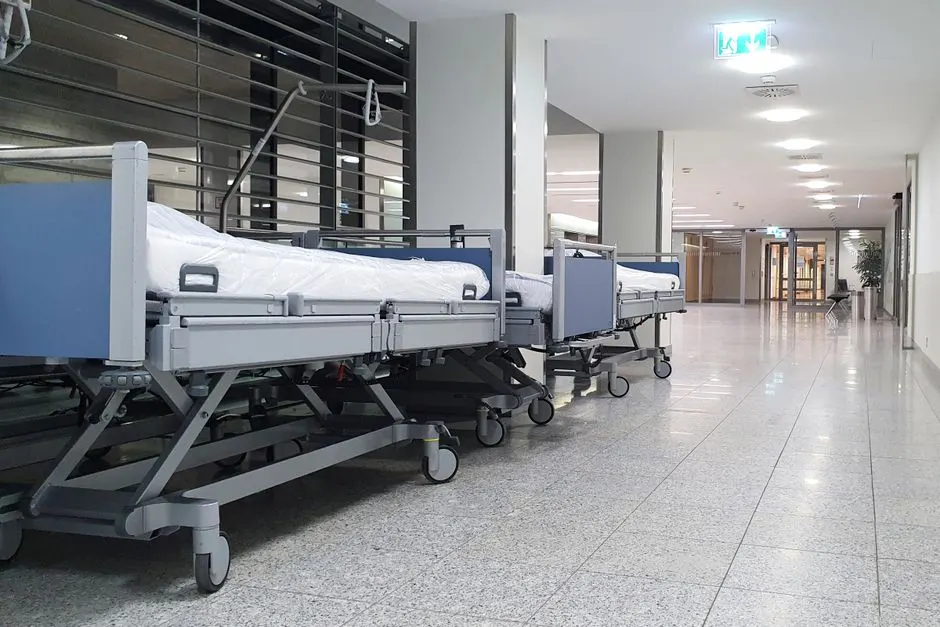
Quiet hospital hallway with neatly arranged empty medical beds under bright ceiling lights.

What Healthcare Facility Pest Control in Titusville Covers

Healthcare Facility Pest Control in Titusville is a documented pest management program that protects patient-care spaces, pharmacies, labs, and food-service areas from rodents, cockroaches, ants, and occasional invaders. It combines inspection, exclusion, targeted treatment, and ongoing monitoring into one compliance-ready file. Technicians service trap stations, seal entry points, apply gel and crack-and-crevice treatments in sensitive areas, and log every activity with date, location, and product used. The goal is simple: no pests in patient view, and no gaps in your inspection paperwork.

Titusville facilities face pressure most inland cities do not. Humidity sits above 70% for months, palmetto bugs and American cockroaches move through wall voids, and roof rats follow utility lines into attics and mechanical rooms. Clinics near the Indian River lagoon also deal with occasional invaders after heavy rain. If you run a healthcare facility and need pest control in Titusville that holds up to a Joint Commission or Department of Health walk-through, the program has to be written down, not just sprayed.
Why Healthcare Facilities Choose a Documented Program

A healthcare pest program is judged on two things: what is in the building and what is in the binder. We build both. Here is what changes when the program is run correctly.

Inspection-Ready Records

Every service visit produces a signed report with trap locations, activity counts, and product labels. When a Department of Health inspector asks for 12 months of pest control documentation, you hand over a complete file instead of scrambling. We have supported facilities through Joint Commission, AHCA, and county health inspections.

Fewer Patient Complaints

Patient-visible pests are a reputation problem. Our monitoring stations catch activity in mechanical rooms, soiled utility areas, and break rooms before it reaches exam rooms. Most facilities see visible pest complaints drop to zero within the first 60 days of a monitored program.

Rodent Exclusion That Holds

Trapping alone does not fix a rodent problem in a Titusville clinic. We seal gaps around conduits, plumbing penetrations, and roof-line vents with copper mesh and sealant rated for coastal humidity. Excluded entry points stop the next generation from getting in, which is what keeps rodent control costs down over a full year.

Treatment Around Sensitive Areas

Pharmacies, labs, and infant-care rooms need low-exposure methods. We use gel baiting, crack-and-crevice application, and mechanical traps in those zones, and we keep a product-use log that lists active ingredients and application sites. No broadcast spraying in patient-care areas.

What Healthcare Facility Pest Control in Titusville Covers

What to Expect From Start to Finish

A healthcare facility pest program rolls out in five stages. Most Titusville facilities complete the initial assessment within one week of the first call and are on a recurring service schedule by week two.

1

Facility Assessment

A technician walks the building with your facilities manager, mapping pest pressure points: loading docks, soiled utility rooms, mechanical closets, break rooms, and exterior perimeters. The assessment takes 90 to 120 minutes for a typical 10,000-square-foot clinic and produces a written site map with trap and monitor locations.

2

Program Design

We build a service plan around your accreditation requirements and patient-care zones. The plan lists device types, service frequency, product classes, and reporting format. You get it in writing before the first treatment so your compliance officer can review it.

3

Initial Service

The first service clears existing activity: sealing entry points, setting monitor stations, treating harborage areas, and placing rodent control devices where they will not be disturbed. A 10,000-square-foot facility usually takes three to four hours on the first visit.

4

Recurring Monitoring

Most healthcare facilities run on a monthly service cycle, with quarterly deep inspections. High-risk areas like loading docks and food-service zones get serviced every two weeks. Each visit includes device checks, activity counts, and a signed service report left on site.

5

Reporting and Review

Every quarter we review trend data with your team: which devices caught activity, which entry points reopened, and what changed in the building. That review is what turns pest control from a line item into a compliance asset. Reports are formatted for inspection review.

Healthcare Pest Management Experience in Brevard County

Healthcare Pest Management Experience in Brevard County

Pro Pest Control Titusville has served Brevard County since 2008, which means 18 years of working in coastal Florida buildings where humidity, salt air, and storm season all affect pest behavior. Our technicians are trained in integrated pest management for sensitive environments, including hospitals, dental offices, assisted-living facilities, and labs. We hold state pesticide applicator credentials and follow FDA and EPA guidance on product use in healthcare settings. We have worked alongside facility managers during AHCA surveys and Joint Commission reviews, and we know what inspectors ask to see.

  • 18 years serving Titusville and Brevard County healthcare and commercial facilities
  • State-licensed pest control operator with healthcare-specific IPM training
  • Experienced with AHCA, Joint Commission, and county health inspection documentation
  • Product-use logs and trap maps formatted for compliance review
  • Low-exposure treatment protocols for pharmacies, labs, and patient-care zones

Why Titusville Facilities Call Us for Healthcare Pest Control

Healthcare pest control is not general pest control with a different invoice. It requires documentation, sensitive-area protocols, and a technician who understands that a trap station in a soiled utility room is a compliance record, not just a mousetrap.

Documentation Built In

Every visit generates a service report with device locations, activity counts, and product records. We keep digital copies for five years, which covers the lookback period most inspectors request. You never have to reconstruct a service history from memory.

Response Within 24 Hours

When a patient or staff member reports a pest sighting, we schedule a return visit within 24 hours for healthcare accounts. Emergencies like a rodent in a patient area get same-day response when called before 2 p.m. That timeline is written into the service agreement.

Rodent Exclusion as Standard

We do not treat rodent control as a trapping-only service. Every healthcare program includes an exclusion assessment and sealing work on entry points we can reach safely. Sealing gaps around conduits and roof vents is what stops the cycle, and it is included in the program rather than billed as an extra.

Local Knowledge of Titusville Buildings

Titusville clinics and care facilities sit in older commercial buildings, many with original plumbing chases and attic spaces that connect across suites. We know where rodents travel in these structures and where to place devices so activity is caught before it reaches patient areas.

What You Get

What Is Included in the Healthcare Program

The program covers inspection, monitoring, treatment, exclusion, and reporting for the building interior and exterior perimeter. Exclusion work on accessible entry points is included. Structural repairs like roof or foundation work are not part of pest control and are referred out. Here is what you get on a standard monthly program.

Monthly Service Visits

A technician services all monitor stations, checks for activity, treats harborage areas, and leaves a signed report. Visits are scheduled around your operating hours and take one to two hours for most facilities.

Device Mapping

Every trap and monitor is numbered and mapped on a facility floor plan. The map is updated when devices are added or moved, and a current copy stays on site for inspector review.

Entry-Point Exclusion

We seal accessible gaps around conduits, plumbing penetrations, and vents with copper mesh and sealant. Exclusion work is documented with photos before and after so you can show corrective action.

Product-Use Log

Every product applied is logged with active ingredient, application site, and date. The log is formatted for health department review and kept with your service reports.

Quarterly Trend Review

Each quarter we review activity trends with your team and adjust the program. If a device is catching repeatedly, we investigate why instead of just emptying the trap.

24-Hour Response

Sightings reported by staff get a return visit within 24 hours. Same-day response is available for rodents or pests in patient-care areas when the call comes in before 2 p.m.

Solutions

Problems Healthcare Facility Pest Control in Titusville Solves

Most calls we get from Titusville healthcare facilities fall into a few patterns. Each one has a fix, but only if the program is built for the building and documented properly.

Problem

Rodents in mechanical rooms and attics

Droppings and gnawed wiring create sanitation and fire risks, and a rodent sighting in a patient area can trigger an immediate citation.

Solution

We map travel routes, place tamper-resistant stations along them, and seal the entry points rodents are using. Activity counts are tracked per device so you can see the problem declining in writing.

Problem

Cockroaches in break rooms and soiled utility areas

American and German cockroaches spread bacteria on food surfaces and are one of the most common findings in health inspections.

Solution

Gel baiting and crack-and-crevice treatment target harborage without broadcast spraying. We treat drains, hinges, and equipment voids, then monitor glue boards to confirm the population is dropping.

Problem

Incomplete or missing pest control records

Inspectors ask for service history, device maps, and product logs. Missing records turn a minor finding into a plan of correction.

Solution

Every visit produces a report, and we keep five years of records. Device maps and product logs live in the same file, so producing documentation takes minutes instead of days.

Problem

Pests entering through loading docks and utility penetrations

Docks and penetrations are the main entry route for rodents and occasional invaders, and activity there spreads inward within weeks.

Solution

We treat dock areas on a two-week cycle, install monitors along walls and corners, and seal gaps around pipes and conduits with materials that hold up in coastal humidity.

Use Cases

When Titusville Facilities Call Us

01

A clinic near the Indian River lagoon sees palmetto bugs in exam rooms after heavy rain.

Solution

We treat exterior entry points and perimeter landscaping, seal gaps around doors and windows, and place monitors in exam-room corridors to catch activity early.

Outcome

Visible pest sightings drop to zero within one service cycle, and monitoring confirms the population is not returning.

02

An assisted-living facility in Mims has rodents in the attic above resident rooms.

Solution

We map attic travel routes, set tamper-resistant traps in mechanical spaces, and seal roof-line and conduit entry points. Exclusion work is documented with photos.

Outcome

Trap activity falls to zero within four weeks, and the sealed entry points keep new rodents out.

03

A dental office in South Titusville is preparing for an AHCA survey and needs pest records in order.

Solution

We complete a facility assessment, set up a documented monthly program, and produce device maps and product logs formatted for inspection review.

Outcome

The office enters the survey with a complete pest control file and no pest-related findings.

04

A medical office park near the US-1 corridor has recurring ant activity in break rooms across multiple suites.

Solution

We treat each suite on a coordinated schedule, seal entry points along shared walls, and use baiting in break-room areas.

Outcome

Ant activity clears across all suites within two service visits, and the property manager gets one consolidated report.

Our Approach

Tools and Methods We Use

Tools & Equipment

Tamper-Resistant Rodent Stations

Locking bait and trap stations placed along walls and travel routes. They keep devices secure around patients and staff and are numbered for mapping.

Glue Board Monitors

Placed in mechanical rooms, utility closets, and break rooms to detect activity early. Monitors are checked and dated every visit.

Copper Mesh and Sealant

Used to close gaps around conduits, plumbing, and vents. Copper mesh resists chewing and holds up in coastal humidity better than foam alone.

Gel Baiting Equipment

Precision applicators for crack-and-crevice and gel bait placement in sensitive areas like break rooms and soiled utility rooms.

Digital Service Reporting

Handheld reporting that captures device locations, activity counts, and product records at the point of service. Reports are emailed and kept on file.

Flashlights and Inspection Mirrors

Used to inspect behind equipment, under sinks, and inside wall voids where pests harbor. Inspection findings are photographed and attached to the report.

Methods

Integrated Pest Management (IPM)

IPM combines inspection, exclusion, sanitation recommendations, and targeted treatment instead of routine broadcast spraying. In healthcare settings it reduces product exposure while keeping pest populations below threshold.

Device Mapping and Numbering

Every monitor and trap is numbered and placed on a facility floor plan. Mapping lets inspectors verify device placement and lets us track activity by location over time.

Exclusion-First Rodent Control

We seal entry points before or alongside trapping so the population cannot rebound. Exclusion work is photographed and logged as corrective action.

Zone-Based Treatment

Patient-care zones, pharmacies, and labs get low-exposure methods, while loading docks and mechanical areas get heavier monitoring. Zones are defined in the program design.

Trend-Based Program Adjustment

Quarterly reviews look at activity counts per device and adjust placement, frequency, or exclusion work. The program changes based on data, not a fixed script.

Local Service

How Healthcare Facility Pest Control Runs in Titusville

Titusville healthcare buildings sit in a coastal climate that keeps pest pressure high most of the year. Humidity above 70% for months supports cockroach and ant populations, and roof rats move along utility lines into attics and mechanical rooms. Many clinics and care facilities occupy older commercial buildings with original plumbing chases and shared attic spaces, which gives rodents a path from suite to suite. Storm season brings occasional invaders indoors, and standing water around parking lots breeds mosquitoes that reach waiting rooms. Our program accounts for all of it: exclusion materials rated for coastal humidity, monitoring in shared chases, and exterior treatment timed around rain. Facilities near the Indian River lagoon get extra attention on perimeter entry points after heavy weather. If you are comparing healthcare facility pest control in Titusville options, ask whether the program includes exclusion and documentation. Those two items are what separate a compliant program from a spray-and-pray contract.

Service Areas

South Titusville

Older commercial buildings with shared attic spaces and original plumbing chases. Rodent travel between suites is common, so monitoring in chases matters.

Indian River City

Proximity to the lagoon means occasional invaders after heavy rain. Perimeter treatment and door seals get extra attention here.

Mims

Larger lots and green space around facilities increase rodent and wildlife pressure. Exterior monitoring and exclusion are priorities.

Merritt Island

Coastal humidity and salt air affect sealant and exclusion material longevity. We inspect exclusion work more frequently on this side.

Port Saint John

Medical offices near the US-1 corridor share walls in office parks. Coordinated treatment across suites prevents reinfestation.

Local Considerations

Year-round humidity above 70%

Cockroaches and ants stay active longer, so monitoring must run every month rather than seasonally. Glue boards catch activity early in mechanical rooms and utility closets.

Older commercial building stock

Original plumbing chases and shared attics give rodents travel routes between suites. Exclusion work has to address shared penetrations, not just exterior walls.

Storm season and heavy rain

Occasional invaders move indoors after storms. We time exterior treatment around weather and check door seals and dock areas after heavy rain events.

Coastal salt air

Some sealants degrade faster near the coast. We use materials suited to the environment and inspect exclusion work more often on buildings near the river.

Transformation

Rodent Activity Cleared in South Titusville Clinic

Before

A 6,000-square-foot clinic had rodent droppings in two storage closets and a break room. Trap activity showed 14 catches in the first two weeks, and staff reported sightings near the water heater closet.

After

We sealed the entry point behind the water heater closet and two conduit penetrations, then placed tamper-resistant stations along travel routes. Activity dropped to zero by week four and stayed at zero for the next three monthly visits.

Maintenance & Follow-up

Monthly monitoring with quarterly exclusion checks keeps the sealed points intact. The facility keeps a device map and service reports on site for inspections.

Before

An assisted-living facility had German cockroaches in a soiled utility room and two resident kitchenettes. Glue board counts were high, and staff had resorted to over-the-counter sprays that were not working.

After

We removed the sprays, treated harborage with gel bait and crack-and-crevice application, and placed monitors in the affected areas. Counts dropped by 90% within three weeks and reached zero by week six.

Maintenance & Follow-up

Monthly service with gel bait refresh and monitor checks keeps the population from returning. Staff received sanitation recommendations for the kitchenettes.

Before

A dental office had no pest control documentation for the prior 18 months. The office manager was preparing for an AHCA survey and had no device map, no service reports, and no product log.

After

We completed a facility assessment, installed numbered monitors with a floor-plan map, and started a monthly program. Within 60 days the office had a complete file with service reports, device maps, and product-use logs.

Maintenance & Follow-up

The office stays on a monthly program with quarterly reviews. Records are kept on site and in our digital file for five years.

Frequently Asked Questions

Have questions? We have answers.

Call Us
How much does healthcare facility pest control in Titusville cost?

Most Titusville healthcare facilities pay $250 to $650 per month for a recurring program in 2026, depending on square footage and service frequency. A 5,000-square-foot clinic on a monthly cycle typically runs $250 to $350. Larger facilities with loading docks and food service, or those needing twice-monthly service, land in the $450 to $650 range. Initial assessments and exclusion work are quoted separately.

How often should a healthcare facility be serviced for pests?

Most healthcare facilities need monthly service with quarterly deep inspections. High-risk zones like loading docks, soiled utility rooms, and break rooms should be checked every two weeks. Facilities with active rodent pressure or a recent inspection finding may need twice-monthly visits until activity drops to zero for two consecutive service cycles.

What documentation do inspectors expect from pest control?

Inspectors typically ask for service reports, device maps, product-use logs, and evidence of corrective action on prior findings. We provide all four. Reports include date, technician, device locations, activity counts, and products applied. Device maps show trap and monitor placement. The corrective-action log tracks every issue from report to resolution.

Can you treat a healthcare facility without closing patient areas?

Yes. We schedule treatment around patient hours and use low-exposure methods in care zones: gel baiting, crack-and-crevice application, and mechanical traps. Pharmacies and labs get product-free monitoring where required. Most services are completed without taking any patient-care space out of use, and we coordinate timing with your facilities manager.

Trust & Credentials

Credentials and Reviews

Certifications

State-Licensed Pest Control Operator by Florida Department of Agriculture and Consumer Services
Integrated Pest Management Training by University of Florida IFAS
QualityPro Certification by National Pest Management Association
Healthcare Facility Sanitation Training by National Pest Management Association

Reviews

Google

They handled a rodent problem in our clinic that two other companies could not solve. The difference was the exclusion work and the documentation. Our inspection went smoothly.

Google

Monthly service is on time and the reports are thorough. We manage three medical office buildings and get one consolidated report for all of them.

Yelp

Discreet service in our dental office. They scheduled around patients and used methods that did not disrupt the day. The binder they set up made our survey easy.

BBB

Responsive when we had a sighting in a patient area. Same-day visit and a clear explanation of what they found and fixed.

Related Services

Termite Inspection

Healthcare buildings with wood framing and moisture-prone crawl spaces need annual termite inspections. We check for subterranean and drywood activity and document findings for your facility file.

Termite Inspection

Subterranean Termite Treatment

Titusville's sandy soil and high water table support subterranean termite colonies. Treatment protects structural wood in older clinic buildings and comes with documentation suitable for property records.

Subterranean Termite Treatment

Drywood Termite Treatment

Drywood termites attack attic framing and window trim in coastal buildings. We treat infested wood and provide a report you can attach to your facility maintenance log.

Drywood Termite Treatment

Termite Baiting Systems

Bait stations around the exterior perimeter give continuous termite monitoring without trenching near patient entrances. Stations are checked on the same service cycle as your pest program.

Termite Baiting Systems

Rodent Control

Rodent control is the core of most healthcare pest programs. We place tamper-resistant stations, track activity, and remove rodents without exposing patients or staff to traps or bait.

Rodent Control

Rodent Exclusion

Sealing entry points is what makes rodent control last. We close gaps around conduits, plumbing, and roof vents with materials rated for Florida humidity and coastal weather.

Rodent Exclusion

Mosquito Control

Standing water around parking lots and landscaping breeds mosquitoes that can enter waiting rooms. We treat resting sites and breeding areas on a schedule that fits your facility calendar.

Mosquito Control

Flea and Tick Treatment

Facilities with service animals or adjacent green space can pick up fleas and ticks. Treatment targets entry zones and landscaping edges without disrupting patient traffic.

Flea and Tick Treatment

Bed Bug Treatment

Bed bugs in waiting areas or patient rooms require discreet, documented treatment. We use heat and targeted application methods and provide a clearance report before the space reopens.

Bed Bug Treatment

Commercial Pest Control

Healthcare facilities are commercial buildings first. Our commercial program covers general pest pressure across offices, storage, and mechanical areas on a documented schedule.

Commercial Pest Control

Restaurant Pest Control

Cafeterias and food-service areas inside healthcare facilities need the same protocols as restaurants. We service kitchens, dish rooms, and storage with inspection-ready reporting.

Restaurant Pest Control

Wildlife Removal

Opossums and birds can enter loading docks and mechanical yards. We remove wildlife humanely and seal entry points so the problem does not repeat.

Wildlife Removal

Raccoon Removal

Raccoons around dumpsters and roof lines create sanitation issues near healthcare buildings. Removal and exclusion are handled with attention to patient and staff safety.

Raccoon Removal

Squirrel Removal

Squirrels in attics chew wiring and insulation above patient areas. We remove them and close the entry points they used, with documentation for your maintenance file.

Squirrel Removal

Armadillo Control

Armadillos dig around landscaping and building perimeters, creating entry paths for other pests. We trap and remove them and restore the disturbed ground.

Armadillo Control

Pest Inspection

A standalone inspection gives you a written pest assessment for a new facility, a pre-inspection review, or a real-estate transaction. Findings are documented with photos and recommendations.

Pest Inspection

Pest Prevention Plans

Prevention plans set a recurring service schedule around your accreditation calendar. Plans include monitoring, exclusion, and reporting at a fixed monthly rate.

Pest Prevention Plans

Pest Barrier Treatments

Exterior barrier treatments create a treated zone around the building perimeter, reducing pest entry between service visits. Applications are documented with product and site records.

Pest Barrier Treatments

Home Pest Exclusion

Exclusion work is the same craft whether it is a house or a clinic: seal the gaps, deny entry, and monitor. We apply the same materials and methods to residential properties.

Home Pest Exclusion

Recurring Pest Maintenance

Recurring maintenance keeps a facility on a fixed service calendar with predictable reporting. It is the backbone of any healthcare pest program and can be paired with any treatment service.

Recurring Pest Maintenance

Apartment Pest Control

Assisted-living and multi-unit care properties need unit-by-unit service with documentation. We service common areas and individual units on a coordinated schedule.

Apartment Pest Control

Property Management Pest Control

Property managers overseeing medical office parks get consolidated reporting across suites. One point of contact, one service calendar, one compliance file.

Property Management Pest Control

Warehouse Pest Control

Medical supply warehouses and storage buildings need rodent and insect monitoring that protects inventory. We place devices along racking and loading areas and document activity.

Warehouse Pest Control

School Pest Control

School clinics and nursing offices share the same pest concerns as healthcare facilities. We service them on a schedule that works around school hours and student safety.

School Pest Control
Testimonials

What Titusville Facilities Say

Real experiences from customers who chose our Healthcare Facility Pest Control services

We had a rodent issue in our break room and storage closet that two other companies could not clear. Pro Pest Control found the entry point behind the water heater closet and sealed it. The trap activity went to zero in about three weeks. What mattered most was the binder they left us. Our AHCA survey was two months later and the inspector actually complimented the documentation.

Marisol R.

Practice Manager, South Titusville

M

Our assisted-living building is older and has attic spaces that connect across wings. The team mapped the whole thing and placed monitors where rodents were actually traveling. Monthly service reports come in on time and the activity counts have dropped every quarter. We renewed for a third year without even asking for other quotes.

Dennis K.

Facilities Director, Mims

D

A patient saw a palmetto bug in an exam room and we needed it handled without spraying chemicals near the rooms. They used gel bait and crack-and-crevice treatment and scheduled it after our last appointment. No smell, no closure, no complaints since. The quarterly review meetings are short and useful.

Angela T.

Office Manager, Merritt Island

A

We had a rodent issue in our break room and storage closet that two other companies could not clear. Pro Pest Control found the entry point behind the water heater closet and sealed it. The trap activity went to zero in about three weeks. What mattered most was the binder they left us. Our AHCA survey was two months later and the inspector actually complimented the documentation.

Marisol R.

Practice Manager, South Titusville

M

Our assisted-living building is older and has attic spaces that connect across wings. The team mapped the whole thing and placed monitors where rodents were actually traveling. Monthly service reports come in on time and the activity counts have dropped every quarter. We renewed for a third year without even asking for other quotes.

Dennis K.

Facilities Director, Mims

D

Get Healthcare Facility Pest Control in Titusville Scheduled

We can assess your facility this week and have a written program in your hands before your next inspection cycle. Call Pro Pest Control Titusville and tell us your building type and square footage. We will quote a monthly rate and a start date on the call.